Quality Support Programmes (PAQ)
Quality Support Programmes (PAQ) in Tunisia are an ambitious initiative to modernise higher education and make it more relevant to the labour market. Supported by the Promesse project, these programmes aim to improve the quality of training by aligning it with the needs of companies, to strengthen students' skills through active pedagogies and company internships, and to promote more effective governance within institutions. Concretely, the PAQ translates into the creation of career centres, the development of university-business partnerships, the implementation of continuing education, and the encouragement of applied research. These actions have increased the employability of graduates and strengthened the reputation of Tunisian universities. However, the sustainability of these programmes remains dependent on sustainable funding, constant adaptation to changes in the labour market, and increased involvement of all stakeholders in higher education.
The Quality Support Programme (PAQ) aims to modernise the higher education system in Tunisia through several strategic objectives, in collaboration with various partners. Under the coordination of the Ministry of Higher Education and Scientific Research (MESRS) and with the financial and technical support of the World Bank (BIRD).
The main objectives include improving the employability of graduates by adapting training to market needs and developing skills certifications, strengthening the quality of programmes through pedagogical innovation and improvement of infrastructures, and promoting an entrepreneurial university by supporting applied research and interaction with businesses.
Furthermore, the projects aim to improve student services by strengthening reception, guidance, and integration structures, as well as to modernise the governance of institutions through performance-based management and increased autonomy.
The faculty of pharmacy in Monastir benefited from three PAQ projects:
PAQ1
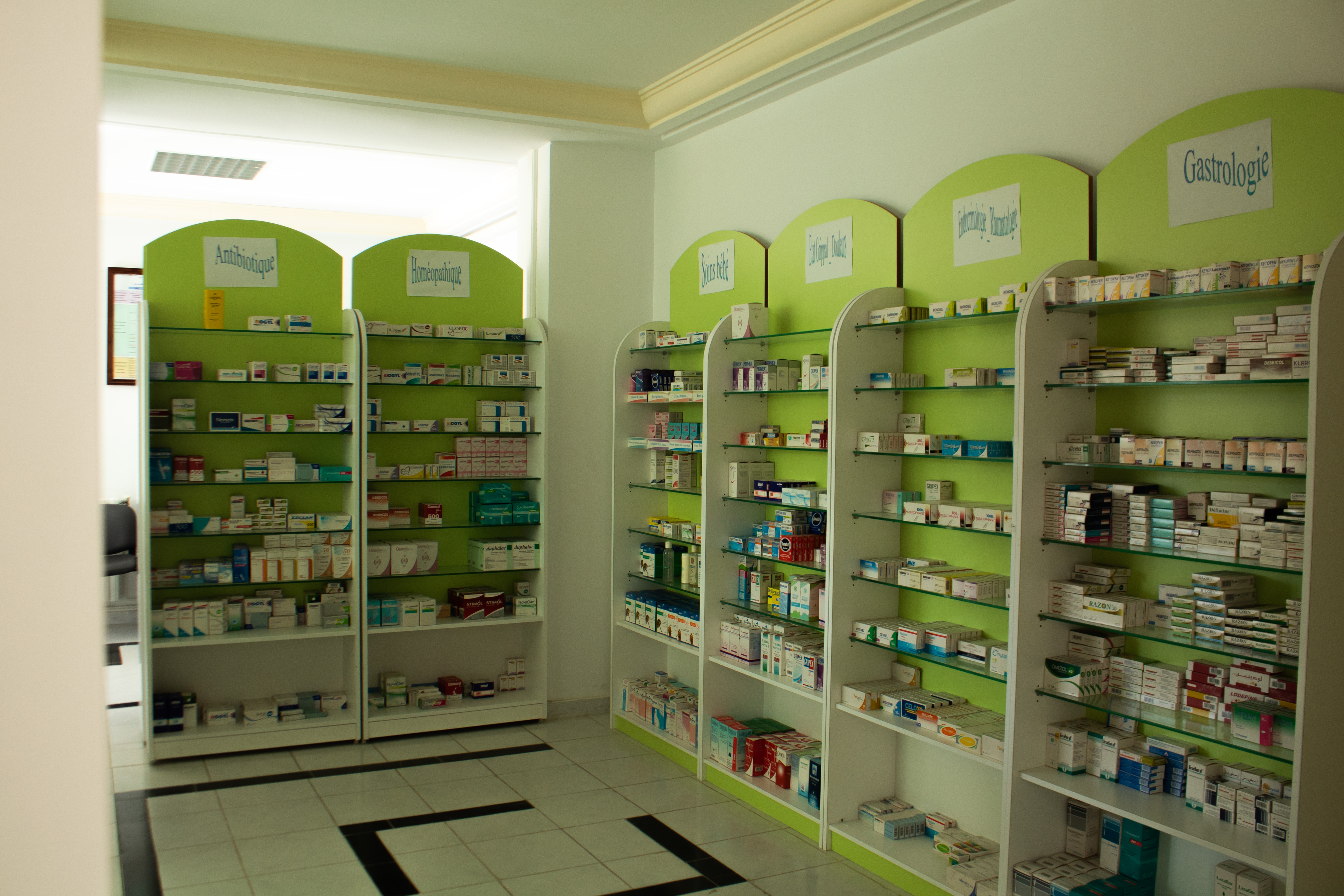
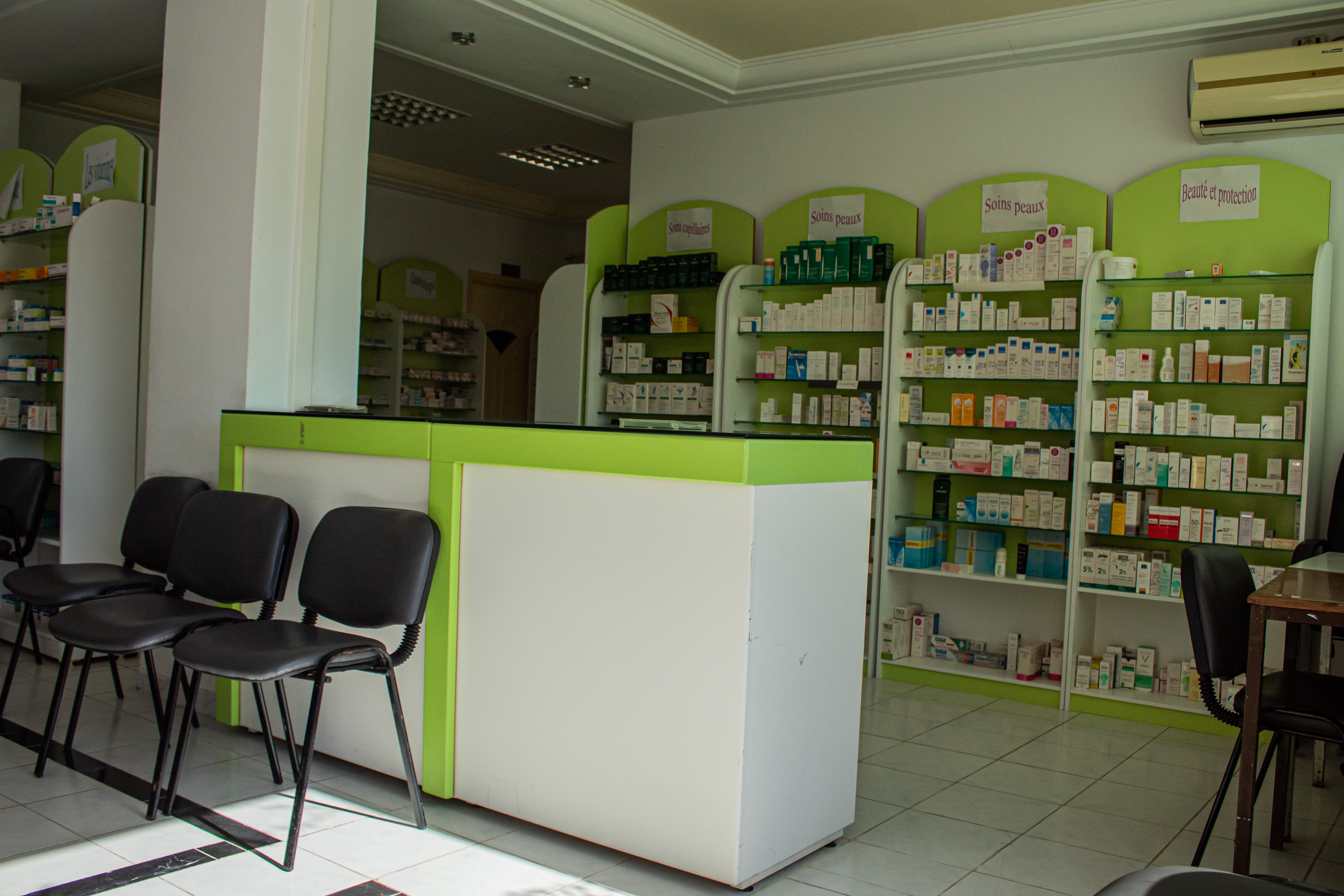
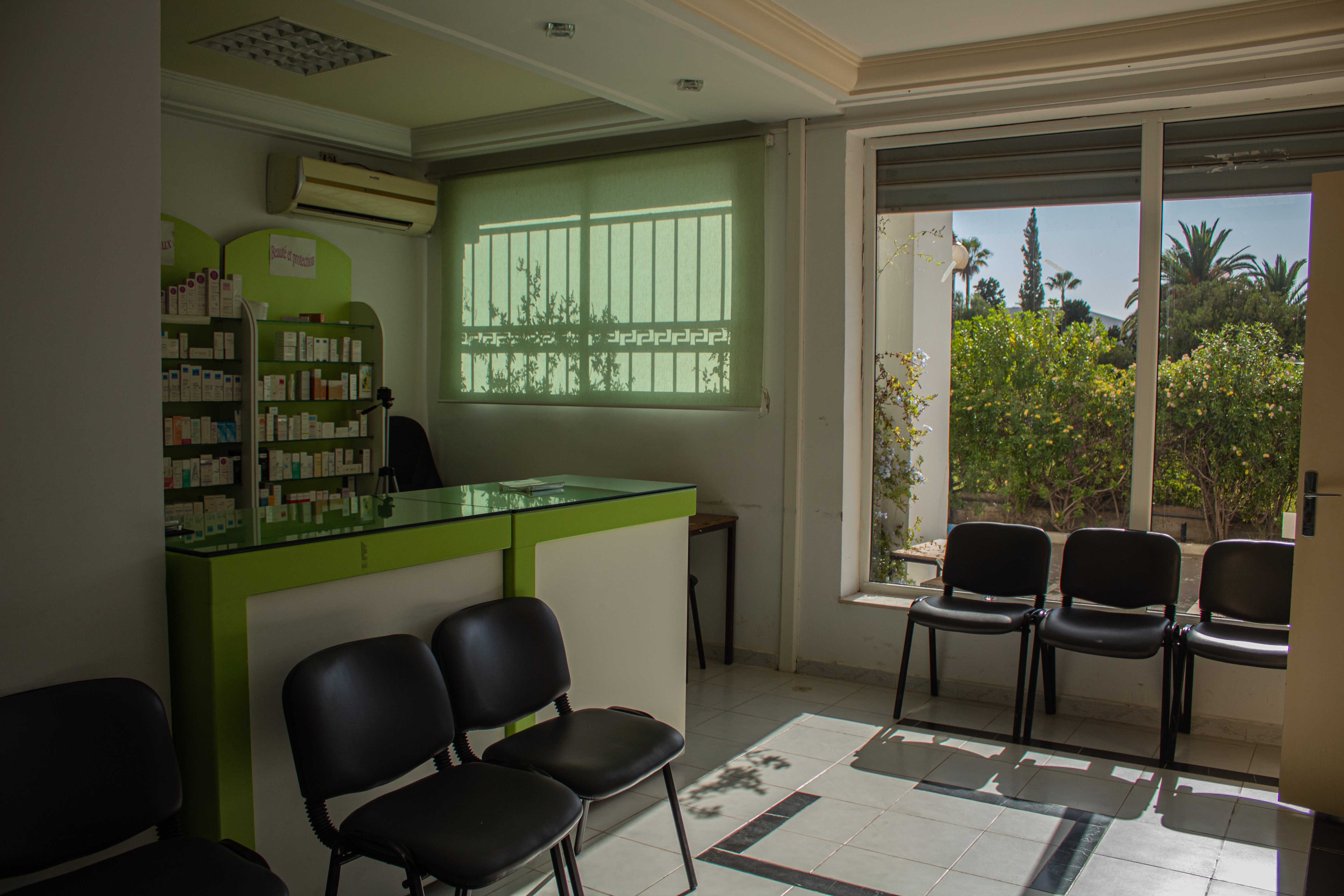
Pedagogical innovation through the establishment of an experimental pharmacy unit to improve the quality of professionalisation training. It primarily serves to provide a practical learning environment where students can develop essential skills in the management, advice, and dispensing of medications while applying the theoretical concepts acquired in class.
This space simulates real working conditions, including interaction with patients (role play) and stock management. It also promotes teamwork, ethics, and practical problem solving, thus strengthening their preparation for professional life.
PAQ2
Establishment of a mini-industry, which aims to offer an immersive learning environment, reproducing the complete pharmaceutical manufacturing cycle, from raw material to finished product. This educational environment allows students to understand and master the different stages of production, such as formulation, mixing, packaging, quality control of drugs, and the use of specialized equipment, in accordance with good manufacturing practice (GMP).
Additionally, this facility exposes students to real-world manufacturing problem-solving situations, improving their ability to work as a team. It also constitutes a space to develop a culture of quality, innovation, and applied research, while preparing future professionals to respond effectively to the requirements of the pharmaceutical industry.
PAQ3
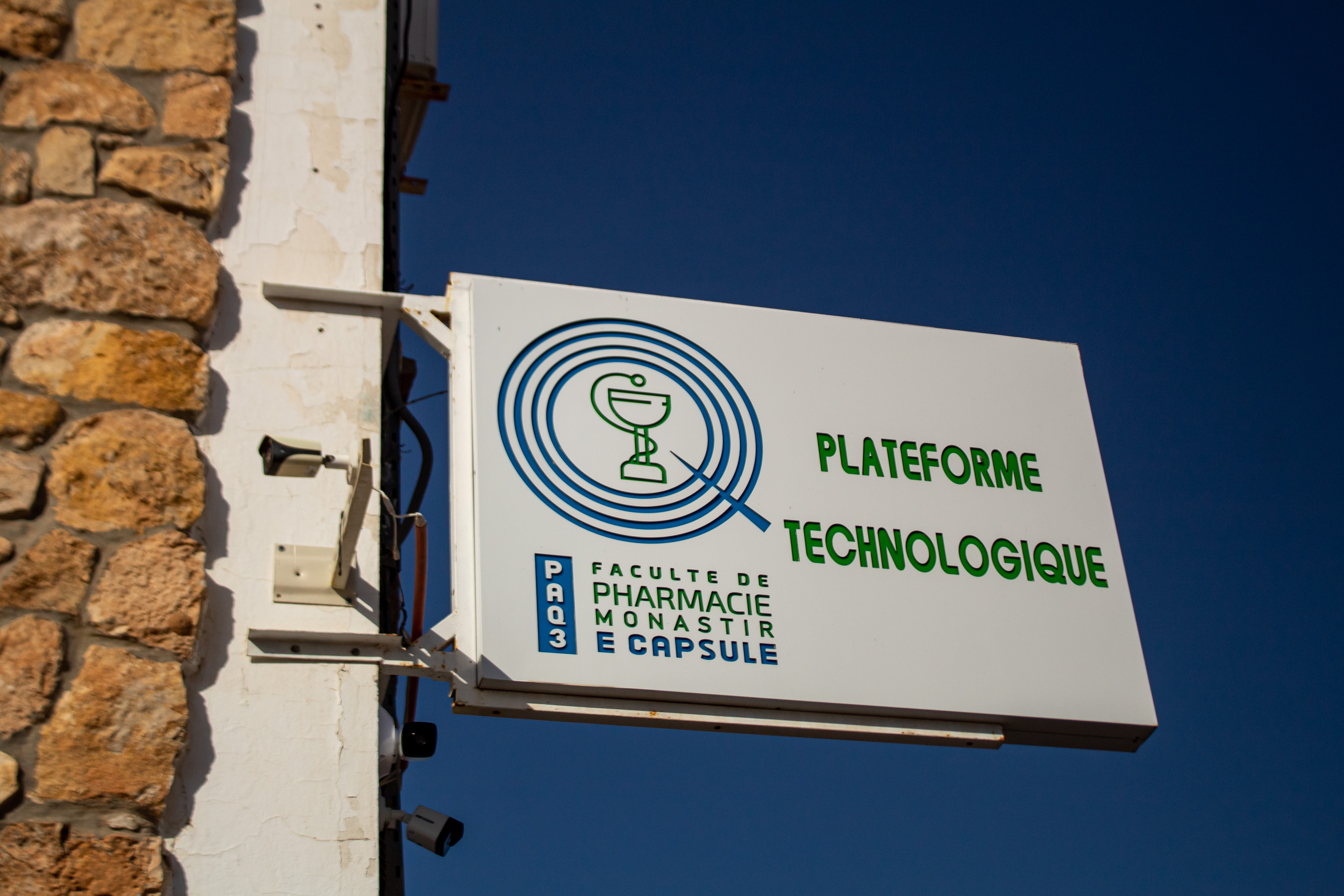
E-CAPSULE (Certified and autonomous establishment, modern and innovative pedagogy, satisfied and motivated students, university training for broad employability).
This project revolves around four strategic areas to transform the Faculty of Pharmacy (FPHM) into a model of academic and professional excellence.
In the field of management and governance, it aims to improve the organizational and administrative capacity of the faculty through the training of 30 trainers and 82 staff in quality management, obtaining the double certification ISO 9001:2015 and ISO 21001:2018, and the gradual digitalization of archives and administration, accompanied by the implementation of a dynamic website and digitized teaching spaces.
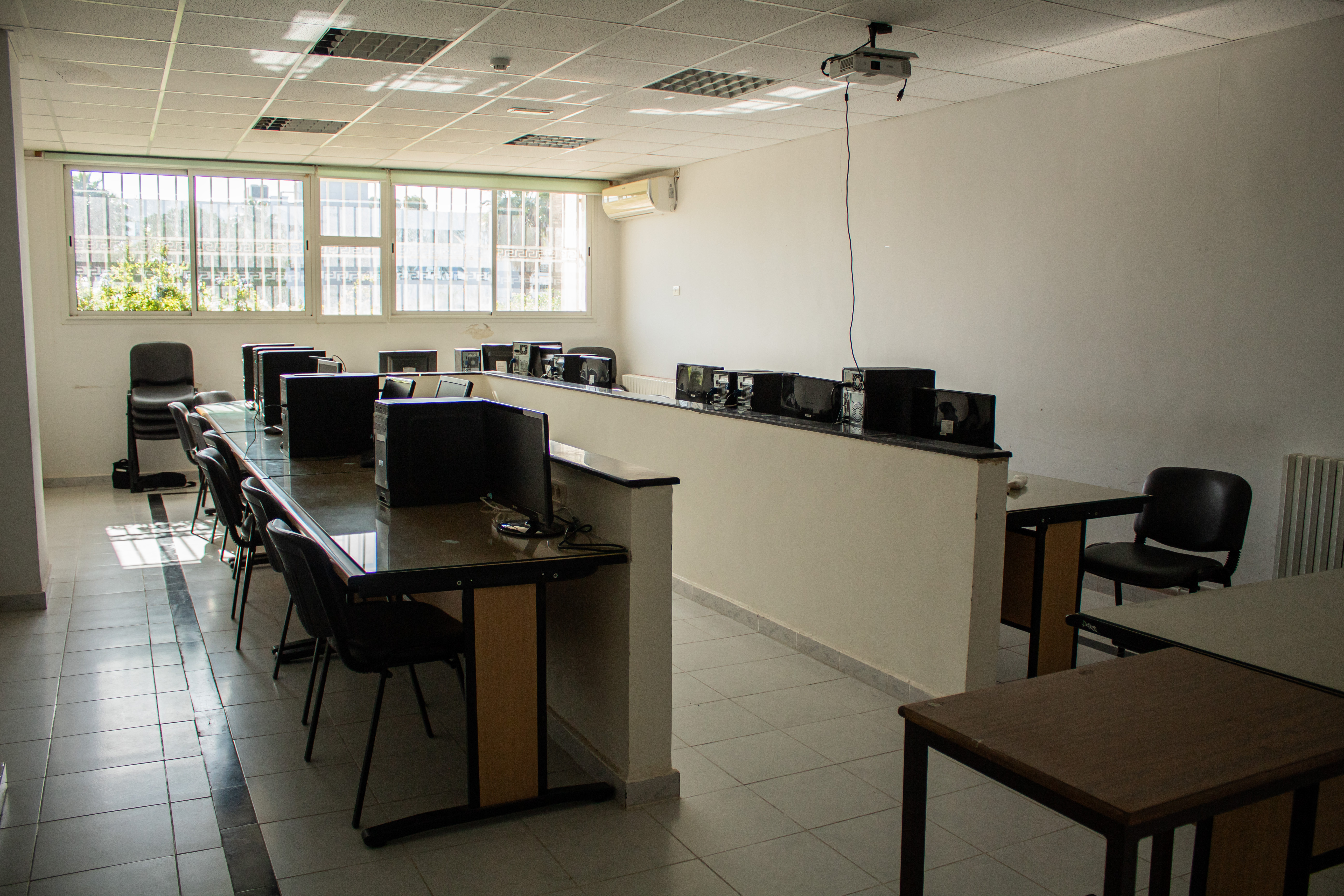
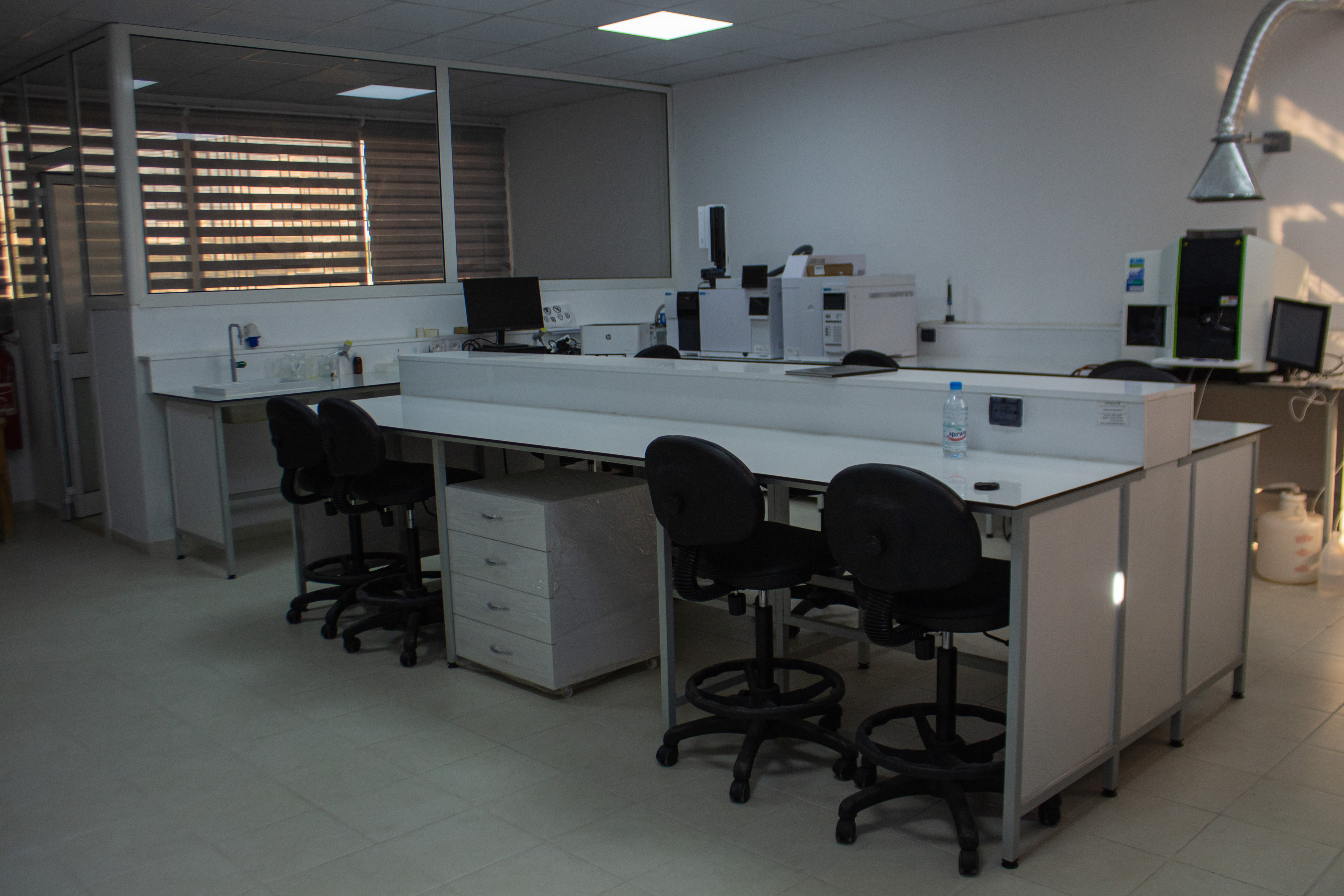
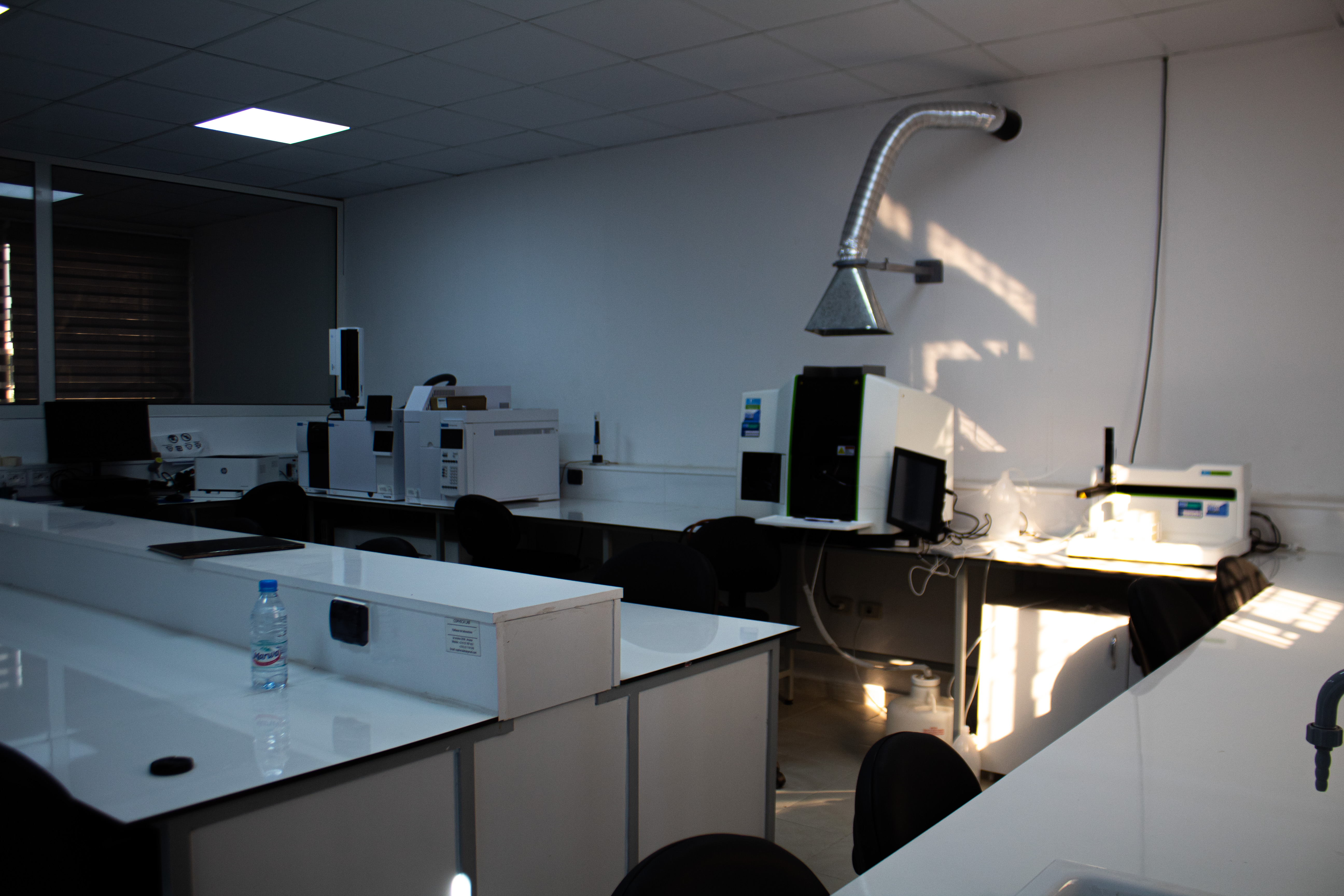
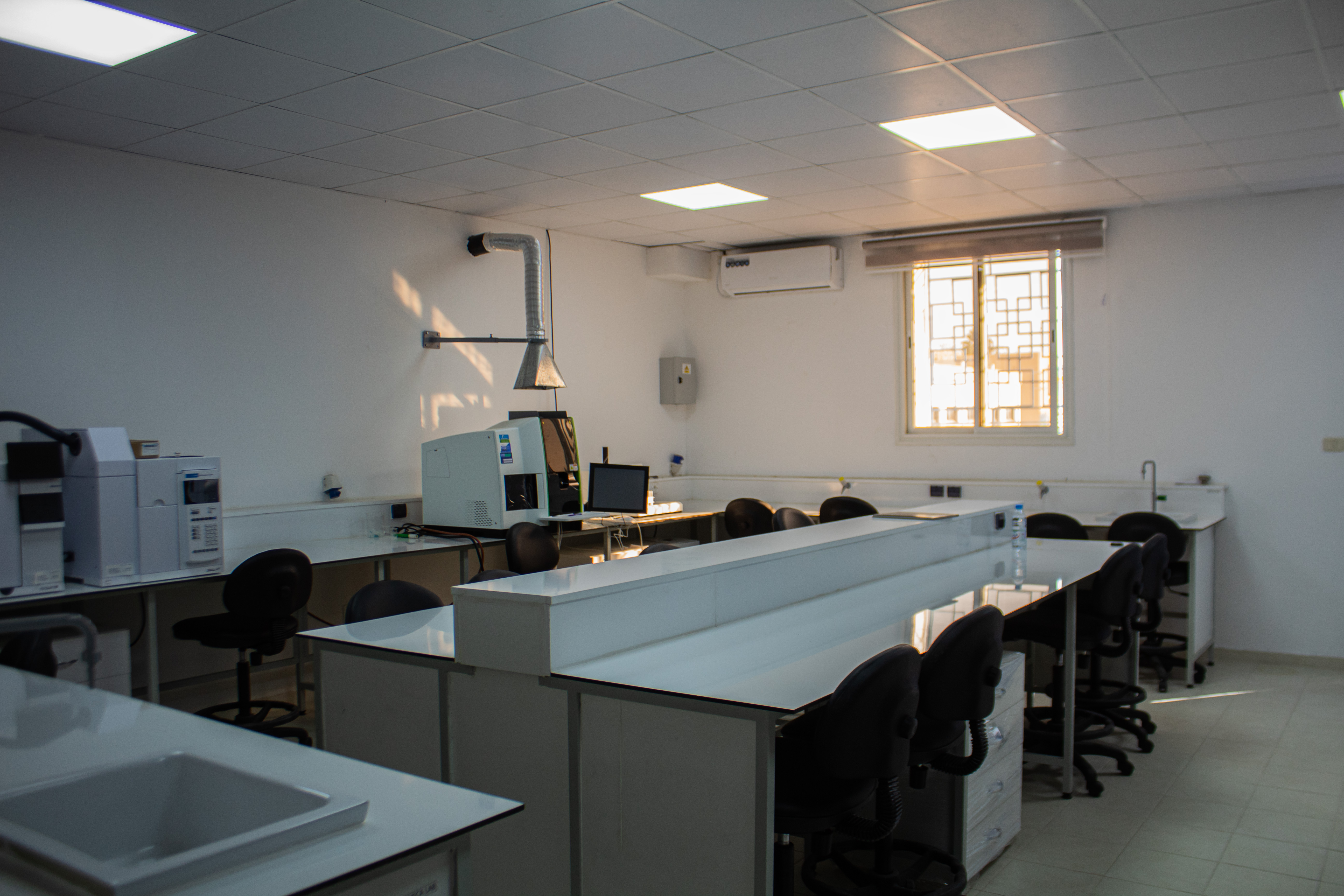
Concerning the field of training and employability, the project focuses on the revision of curricula based on the skills-based approach (APC) and the establishment of co-constructed trainings, supported by a modern technical platform and a space for continuous professional development (DPC).
The field of research and innovation seeks to stimulate creativity by raising awareness about participation in competitions, promoting business creation, conducting organised research projects, and organising competitions for innovative initiatives.
Finally, in the field of university life, the project focuses on the socio-cultural development of students through the development of dedicated spaces, the creation of a fully equipped recording studio, and the twinning of local student associations with those of other foreign faculties.
This global project illustrates an integrated approach to building capacity, innovation, and well-being within the FPHM.